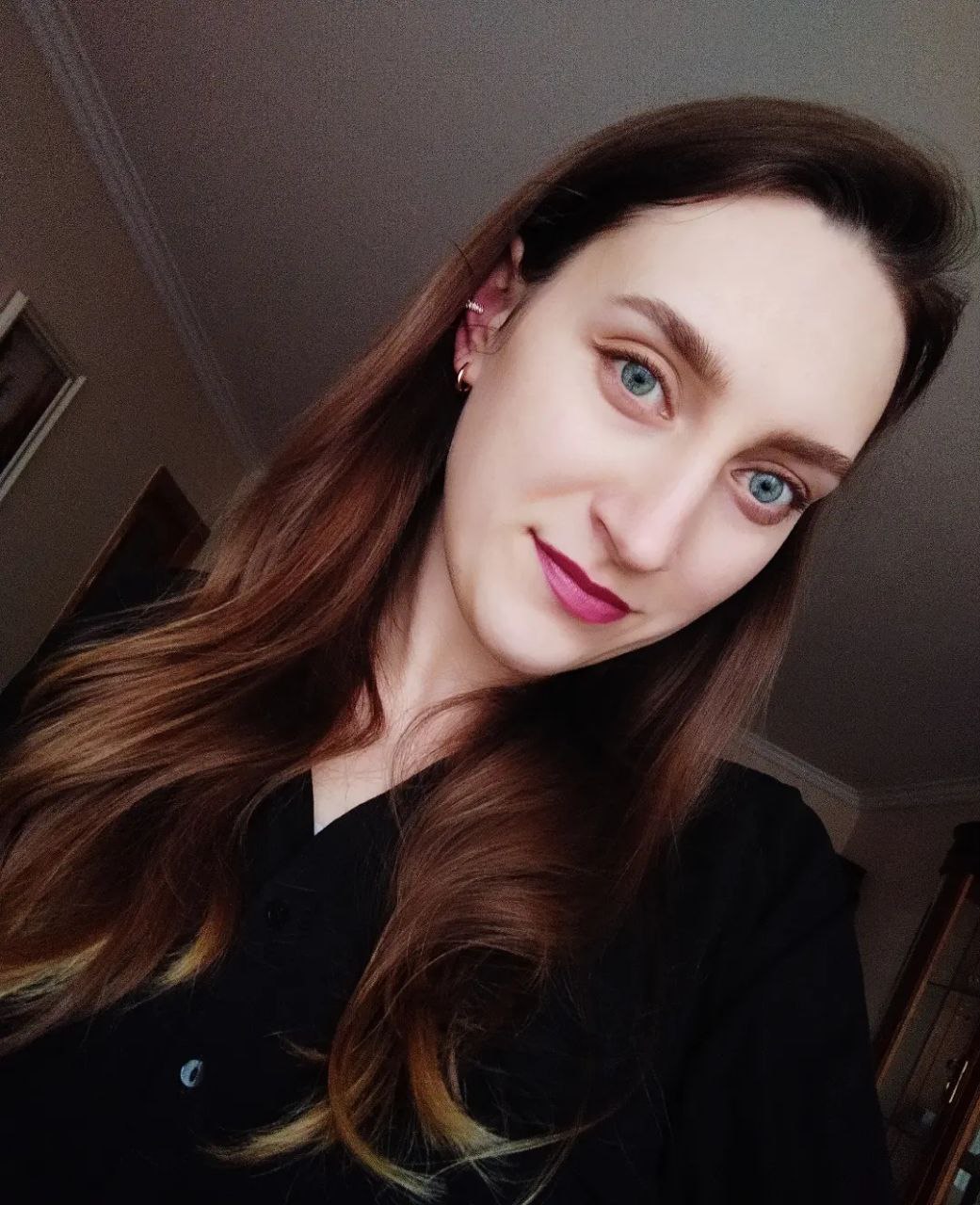

I keep seeing women in the salon chair next to me asking for darker bases with lighter ends. Balayage is everywhere, but the real shift is the ratio: more brown, less blonde. It’s not a full commitment, just a smarter one.
This roundup has 20 ways to approach Blonde to Brunette Hair, from low-upkeep root shadows to full ombré transformations. Some you can do in an afternoon, others need a three-hour appointment. They work on fine hair, thick hair, straight and wavy.
I spent three years growing out a bleach job I regretted. I know the exact week the grow-out line starts to look intentional instead of accidental. These ideas respect that timeline.
Dark Root To Caramel Blonde Balayage

I was braced for a brassy mess, but this is the rare ombre that actually cools down instead of turning orange by Thursday. The base stays a deep, almost espresso dark brown, and it melts into that ash blonde only past the shoulders, so your roots have zero chance of betraying you at week five. The technique is a hand-painted gradient, not a harsh line, which means the grow-out is just a soft shadow instead of a stripe. On my fine, straight texture, I’d worry about the ends looking thin, but the length past mid-back gives it enough weight to move without going scraggly. The tone is what sold me: it reads silver-grey in low light, not yellow, which is a miracle for anyone with warm undertones. You need the length to carry the fade, so if you’re above mid-back, skip it. 28 of these photos make me want to book a toner appointment, and this one is the reason I’m asking for a violet gloss at the bowl.
- Ask for a soft root shadow, no visible line
- Request a cool ash toner, not a beige one
- Say “keep the ends a true ash, not pearl”
- Specify past mid-back to let the gradient breathe
It held up through a humid week, which surprised me, the ends stayed cool instead of pulling green. The honest warning: this is not a wash-and-go colour, you’ll need a purple shampoo once a week or the ash goes muddy. Book the consultation first, because the stylist needs to see your base before committing to the fade.
Dark Blonde To Medium Blonde Ombré

They call it dramatic, and they’re not wrong, the contrast here is the whole point, it’s not subtle and that’s exactly why I like it. The dark brown base is rich and cool, almost a chestnut that doesn’t lean red, and it sits sharp against the ash blonde that takes over from the chin down. No bangs means the face is wide open, which actually balances a rounder face shape by letting the length pull the eye down instead of across. The technique is a high-contrast ombre, so the two shades meet with a clear divide rather than a soft blend, that’s what makes it feel intentional instead of grown out. On thick, wavy hair, this is a knockout, the texture catches the light and shows off the colour shift from every angle. The tone is strictly ash, no gold, no honey, which means it reads cool against warm skin without washing you out. I wasn’t planning to recommend a middle part, but on this length, it’s the only way to show the full gradient without a blunt line cutting your face in half. The grow-out is the real win here, the dark roots grow in as a shadow for months, so you’re looking at a touch-up every ten weeks instead of four. Just don’t expect this to look soft, it’s a statement, and it needs a strong jawline or a confident attitude to carry it.
Brunette To Blonde Ombré Bob

A brunette blonde ombré bob packs the same transition into half the canvas. On thick straight hair that hits the collarbone, the brunette to blonde ombré shift feels concentrated — it’s less gradient, more destination. Compared to a long ombré that stretches for inches, this one declares its business faster. The blonde ends land just above the shoulder, so they read as intentional, not leftover. It’s less forgiving of roots than longer versions, but the payoff is a sharper shape.
Dark Brown To Honey Blonde Balayage

You sit down, and the stylist starts painting. The dark brown honey blonde balayage looks seamless right out of the chair, but the real test is day four. By then, my waves have softened and the honey blonde balayage still reads blended, no harsh line. That’s the skill part: a balayage this smooth requires a stylist who knows how to feather the bleach through medium-density, wavy, shoulder-length hair. I tried a version at home once. Never again. The side-swept bangs need trimming every four weeks, but the colour itself? Low-maintenance for a salon job. About ten to twelve weeks between appointments, and no root line to panic over.
Dark Brown To Caramel Blonde Ombre

Smooth gradient from dark roots to caramel ends. Looks deliberate, not accidental. The dark brown caramel blonde ombre hits a perfect balance: dark at the scalp, warming to caramel by the mid-back length. From the side view, the colour transitions like a ribbon, no hard lines.
But fine hair can undermine the effect. I’ve worn this myself, and without careful placement, the ombre can look like two separate colours meeting in the middle. Then there’s brassiness: the caramel blonde ends pull orange fast, especially on fine, straight hair that soaks up toner. Book a gloss every six weeks, or settle for a warmer tone than you planned.
Light Brown Base With Ash Blonde Highlights

You see the back view first, and the ash hits cool. The light brown ash blonde highlights are the opposite of warm: they sit close to the scalp and fade into the light brown base without yelling. For my fine, straight, collarbone-length hair, the ash tone is a blessing because it doesn’t amplify oiliness like yellow tones do. The blunt cut keeps the ends sharp, which helps the highlights read as deliberate, not accidental.
Dark Blonde To Light Blonde Balayage Bob

My gut reaction to a bob with dark roots and light ends is always the same: yes, please. This dark blonde light blonde balayage sits at chin length with a middle part and loose waves, and the transition from the deeper root to the light end is what makes it read expensive rather than grown out. The colour placement follows the bob’s shape rather than fighting it. This is not a bathroom-mirror job. Getting a light blonde balayage to land softly on a short cut requires a stylist who understands where the light hits the bob’s perimeter, because one mistake and the contrast turns into a stripe. Leave it to the professional.
No Bangs Dark Brown Base With Natural Blonde Highlights

Here’s the verdict: subtle highlights are harder to pull off than dramatic ones, because there is nowhere to hide. This shoulder-length cut with a middle part and loose waves uses a dark brown base with natural blonde highlights that are placed sparingly, hitting the top sections and the ends without going stripey. The technique mimics how the sun would lighten hair over a summer, which means the grow-out is almost non-existent. A toner every eight to ten weeks keeps the natural blonde highlights from drifting warm, but the real win is how the highlights catch the light even when your hair is in its natural wavy state. Medium density hair benefits most, because fine hair can look overwhelmed by the contrast and thick hair can eat the highlights entirely.
No Bangs Dramatic Dark Brown To Ash Blonde Ombre

One precise observation: the distance between a very dark root and a very light end is where your hair’s health shows. This dramatic dark brown ash blonde ombre starts at a deep brown near the crown and transitions to ash blonde at the ends over a long, wavy, past-mid-back length. The contrast is the whole point, and on thick wavy hair it reads intentional rather than accidental. A large barrel curling iron and about twenty minutes will bring out the dimension, but the real work happens in the grow-out.
Who it suits: anyone with a high-contrast colour palette who wants their hair to make a statement without daily styling. Who should pass: fine hair that is prone to breakage, because the lightening needed to reach ash blonde at the ends demands multiple sessions and the ends will be the first to split. The honest downside is brassiness. Ash blonde wants to turn yellow, especially on previously coloured hair, and maintaining that cool tone requires a purple shampoo in rotation and a salon gloss every ten to twelve weeks. Commitment is the word here. Not a decision to make on a Tuesday afternoon.
Mid-Back Rich Dark Brown Base With Blonde Balayage

Have you ever looked at a colour that seemed designed for a specific hair type? This rich dark brown blonde balayage on a mid-back length with a middle part and loose waves is that colour for thick hair. The dark brown base is deep enough to read as natural, while the blended blonde balayage is placed to catch movement rather than sit in predictable sections. The intensity of the brown base keeps the overall look rich rather than washed out, which is the risk with balayage on very lightened hair. This is an everyday colour: it works with a messy bun, it works with waves, it works air dried with a texture spray. The grow-out is soft because the balayage is painted higher than you think. A refresh every ten to twelve weeks keeps the blend seamless. That is all it asks.
Front View Dark Brown Base With Blonde Balayage Highlights

That front view tells you everything about how balayage works. The painterly application means the dark brown blonde balayage highlights start low, not at the root, and widen toward the ends. Technically, the stylist hand-paints each section in a V-shape, feathering outward so no stripe forms. At collarbone length on wavy medium density hair, those blonde balayage highlights land right at the curve of the wave, catching light without needing a curling iron. The middle part helps both sides read balanced, which is the whole point of dimensional highlights.
Dark Brunette To Lighter Blonde Ombre

This is the conviction you need: ombré, not balayage. With a dark brunette lighter blonde ombre, the transition is bolder, starting higher and fading with visible intention. Balayage diffuses into the base; this one draws a line, then softens it. For medium density hair at collarbone length, the side part and loose waves pull the lighter blonde tones forward, so the contrast looks deliberate rather than grown out. It flatters medium density because it does not rely on tons of highlights to fill space. The line does the work. Ask your stylist for a seamless gradient from the second inch of growth, not a hard stop.
Long Layers Dark Brown To Golden Blonde Balayage

Vibrant golden blonde strands against a dark brown base read striking, not brassy. That is the trick. The dark brown golden blonde balayage needs thick, wavy hair to carry it. Thin hair cannot hold the contrast without looking scattered; the waves here anchor the warmth. At mid-back length, the long layers keep the weight distributed, so the color falls in ribbons rather than one flat stripe. The upkeep is real: every eight to ten weeks, because those golden blonde strands fade fast against a dark base. But on thick, wavy ends, the regrowth softens into new dimension rather than a sharp line.
Wear this with loose waves, no product, and a side part that lets the color walk down the front pieces. A curling wand for fifteen minutes, then break the curls with your fingers. That is the entire styling routine.
Dark Brunette With Bold Blonde Highlights

Ever had highlights that looked amazing on day one and questionable by week three? That is the gamble with a dark brunette bold blonde highlights combo on thick, wavy hair. The contrast is striking at first, but those bold blonde highlights sit on top, not blended, so new growth shows fast. By week six, the warm undertone in thick hair pushes the blonde toward yellow, and the line becomes visible. The honest truth: you need a toning shampoo twice a week and a salon visit every six to eight weeks. Thick, wavy texture helps mask the root a little, but the color is the boss here. You are maintaining a statement, not a low-maintenance fade.
Sun-Kissed Balayage Highlights Dark Blonde To Light Blonde Balayage

I will admit I underestimated how much lift a sun-kissed look needs. The dark blonde light blonde balayage works because the stylist paints lighter sections in a C-shape around the crown, then feathers them down. No foils, no heat, just air and time. The result on thick, wavy hair at collarbone length is a slow drift: dark at the root, light at the tips, with no obvious start point. The technique relies on a shadow root at the top two inches, so the light blonde balayage reads like you spent a month at the beach, not two hours in a salon chair. The front pieces catch the most light, which is exactly the point.
Wavy Medium Density Dark Brown To Honey Blonde Balayage

I know that soft blend of dark brown honey blonde balayage looks like a painter spent three hours on it. That’s because someone did. The honey blonde highlights start mid-length, not at the root, which is what keeps this mid-back length from looking dipped. On wavy, medium-density hair, the transition reads gradual, not striped. The tone stays warm enough to catch light but not so yellow that it fights a brunette base. A balayage this subtle takes a steady hand and a good eye for placement. Wavy texture helps the colour breathe — each wave catches a different level of lightness, so the whole thing looks multidimensional. The dark root anchors it, so you don’t get that harsh line of regrowth at week four. Mid-back is long enough to show the gradient, short enough to still feel modern.
Loose Waves Dark Brown Base With Warm Blonde Balayage

Wondering if this dark brown warm blonde balayage would work for you? The seamless blend of warm blonde tones against a dark base is forgiving on a lot of face shapes because it draws the eye outward, not down. Round faces benefit from the openness of the middle part and the lightness hitting around the temples. On thick hair, the richness of the dark base balances the blonde so it doesn’t go brassy.
But if your hair is fine or low density, the wide sections of dark could feel heavy. This works best when there’s enough weight to carry the colour through. The loose waves add movement, but on straight, fine hair the transition might read more like a stripe than a blend. That does not mean skip it — just ask your stylist to soften the line even more.
Dark Brown To Caramel Balayage

This is not a subtle colour — and that is the point. The dark brown caramel balayage is built with a true ombré technique: the lightener stays concentrated on the mid-lengths to ends, leaving the root and crown completely dark. On thick wavy hair, that caramel-toned balayage pops because the waves catch light at different angles. The contrast is intentional, not just a fade. The caramel tone sits in the warm spectrum, a rich golden brown rather than a pale yellow, so it reads as an extension of the dark base rather than a separate colour. For mid-back length, the transition starts around the chin to avoid that top-heavy look.
Mid-Back Brunette Base With Blonde Balayage Highlights

The difference between this and a standard highlight is where the light lands. A brunette base with blonde balayage highlights keeps the roots dark and the ends soft, no harsh lines. The transition is smooth because a stylist paints each section by hand, which takes time but gives depth. At mid-back length with thick, wavy texture, the colour reads dimensional, not brassy. This is not a box job. Save it for someone who knows where to place the light.
Wavy Thick Dark Brown Base With Honey Blonde Balayage

How much time does a transition like this actually take? A full session runs three to four hours for the lift and the hand-painted placement. The dark brown honey blonde balayage is built in ribbons, not streaks, which is why it looks grown-in from day one. The base stays deep, the ends catch the light — that takes a stylist who works section by section, not a foil-and-go job. Three hours in the chair, twice a year, is the commitment.
On thick, wavy hair the blend holds longer because the texture hides the root line. A touch-up every eight to ten weeks keeps the honey blonde from dimming. The daily styling? Fifteen minutes with a one-inch curling wand. The honey tone needs a weekly purple mask to stay warm without turning brassy. The investment is in the chair, not the morning routine. Grow-out is the real payoff: even at week twelve, the dark base softens the line. You do not see a harsh stripe. You see dimension.
Final Thoughts
After writing all 20 of them, I still think the root shadow is the smartest move. But I noticed something: the most flattering ones keep the lightness near the face, not the ends.
- Schedule a toner every six to eight weeks.
- Use a purple shampoo once a week.
- Book a root shadow every eight weeks.
- Trim the ends every ten weeks.
I’m booking number six next week, the dark brown to honey balayage. Warm enough for summer, dark enough to skip the salon for two months.